

Introduction
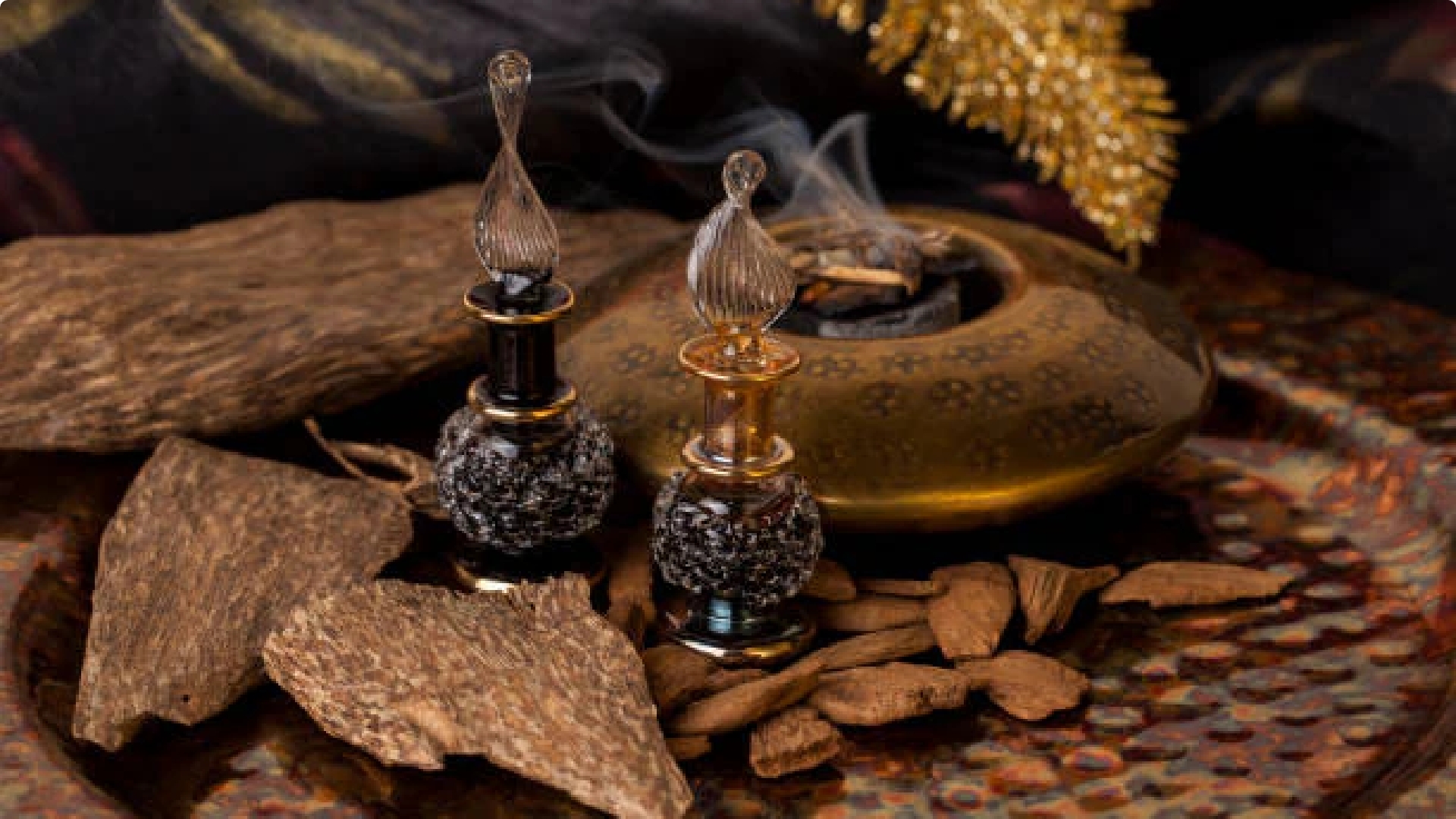
Oud, derived from the resinous heartwood of Aquilaria species, is one of the most valued materials in perfumery. Its rarity, complexity, and cultural significance have positioned it at the center of fragrance traditions across South Asia and the Gulf region.
As global demand has expanded, supply chains have become more complex. This has increased the importance of clarity regarding origin, composition, and production methods.
Market Structure and Product Variability
The oud market includes a broad range of products:
- Pure agarwood oil
- Blended oils combining oud with other natural materials
- Diluted preparations
- Reconstructed or synthetic interpretations
- Treated wood chips
Labeling standards may vary between regions. Clear identification of whether a product is pure, blended, or reconstructed supports informed decision-making, particularly in wholesale and distribution contexts.
Composition and Quality Considerations
Authentic agarwood oil contains complex aromatic compounds, including:
- Sesquiterpenes
- Chromones
These contribute to the evolving scent profile over time.
Analytical methods such as GC-MS (Gas Chromatography–Mass Spectrometry) may be used to examine chemical composition, though practices vary across markets.
Distillation and Production Practices
Agarwood oil is commonly produced through:
- Hydrodistillation
- Steam distillation
Production variables influencing quality include:
- Wood preparation
- Soaking duration
- Temperature control
- Fraction separation
Traditional distillation in certain Indian regions continues to rely on copper apparatus and extended extraction periods.
Regulatory and Documentation Considerations
International trade in certain agarwood species is subject to regulatory frameworks in various producing and importing countries. Compliance requirements may include export documentation and origin verification, depending on jurisdiction.
Transparent documentation supports traceability and professional accountability within the supply chain.
What Transparency Means in Practice
In professional trade contexts, transparency may include:
- Clear product classification
- Disclosure of blends or dilution
- Indication of origin
- Batch traceability
Proper documentation where required
These measures support consistent standards and long-term industry sustainability.
Publisher’s Note
This article is published by Alatar Hindi as part of its industry knowledge series on agarwood and perfumery.
The information presented is intended for general educational purposes only. Agarwood classification systems, grading terminology, and market conditions may vary by region, producer, and time period. Readers are encouraged to exercise independent judgment and verification where appropriate. Alatar Hindi does not assume responsibility for commercial decisions made based on the information contained herein.