

Introduction
Oud pricing varies significantly depending on measurable quality factors. Understanding grading criteria supports informed purchasing decisions within wholesale and professional fragrance markets.
Formation of Agarwood
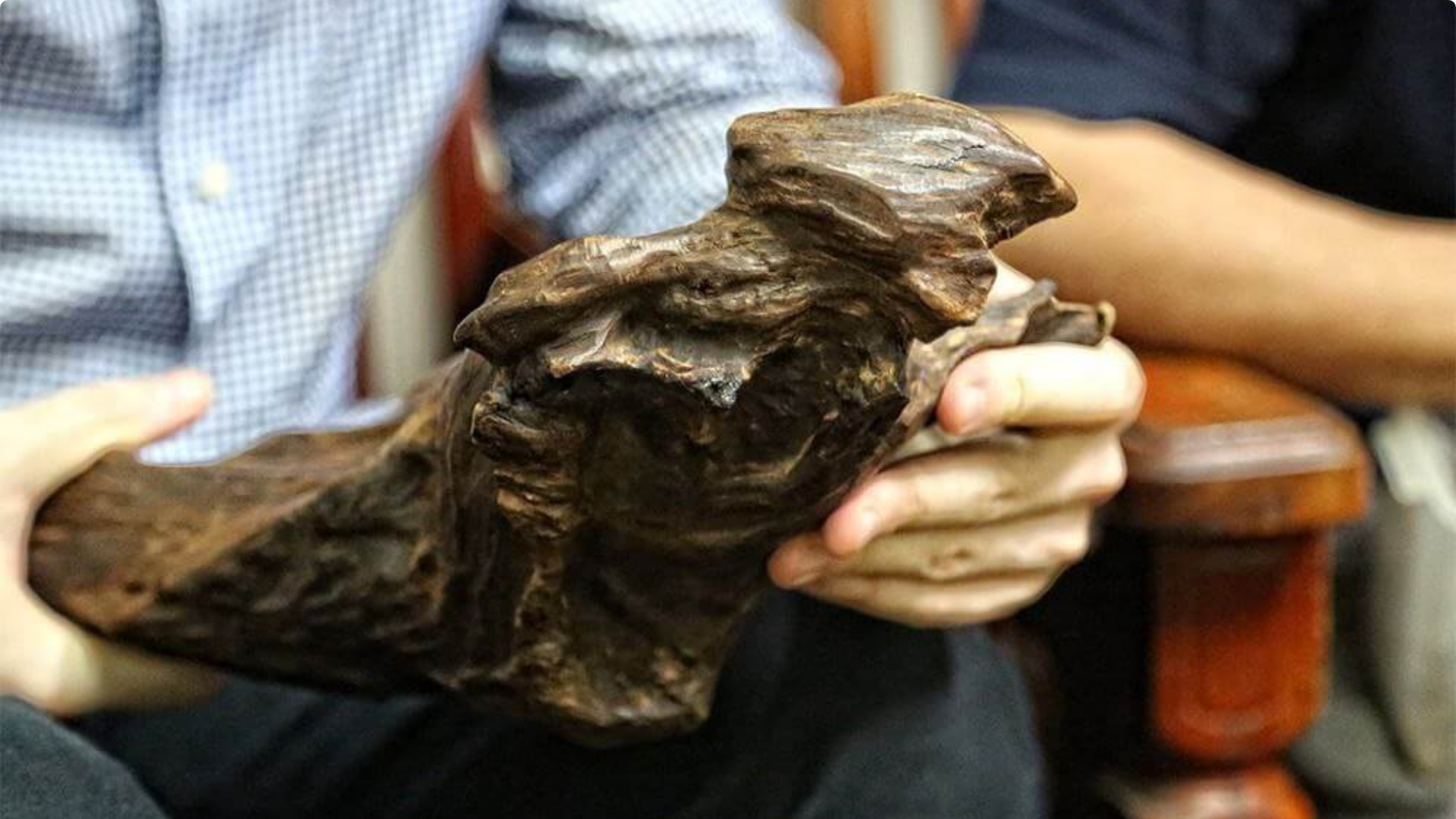
Agarwood develops when Aquilaria trees produce aromatic resin in response to environmental stress or natural infection.
Resin formation depends on:
- Tree age
- Environmental conditions
- Duration of resin accumulation
Higher resin concentration generally correlates with greater aromatic depth.
1. Resin Content and Density
Resin saturation is a primary grading factor:
Super Grade: Very high resin concentration
- Grade A: High resin concentration
- Grade B: Moderate resin distribution
- Lower Grades: Limited resin presence
Distribution and density influence oil yield and complexity.
2. Age and Source
Aromatic character may vary based on development period:
- Naturally formed (wild-origin) material
- Mature cultivated sources
- Younger cultivated sources
Evaluation depends on resin quality rather than classification alone.
3. Geographic Origin
Soil and climate conditions influence aromatic profile. Indian oud, particularly from Northeast regions, is often associated with woody and earthy tonalities and strong longevity.
4. Distillation Quality
Key production variables include:
- Soaking duration
- Temperature control
- Equipment type
- Extraction length
Improper distillation may reduce quality even when raw material is strong.
5. Purity and Composition
Market categories may include:
- Pure distilled oil
- Blended oil
- Diluted oil
- Modified or reconstructed products
Clear disclosure supports professional transparency.
Aging and Storage
Proper storage conditions may influence smoothness and aromatic integration over time.
Price and Evaluation
Pricing reflects combined factors such as rarity, resin content, distillation method, and aromatic complexity. Professional evaluation should prioritize measurable quality indicators.
Publisher’s Note
This article is published by Alatar Hindi as part of its industry knowledge series on agarwood and perfumery.
The information presented is intended for general educational purposes only. Agarwood classification systems, grading terminology, and market conditions may vary by region, producer, and time period. Readers are encouraged to exercise independent judgment and verification where appropriate. Alatar Hindi does not assume responsibility for commercial decisions made based on the information contained herein.