

Historical Background
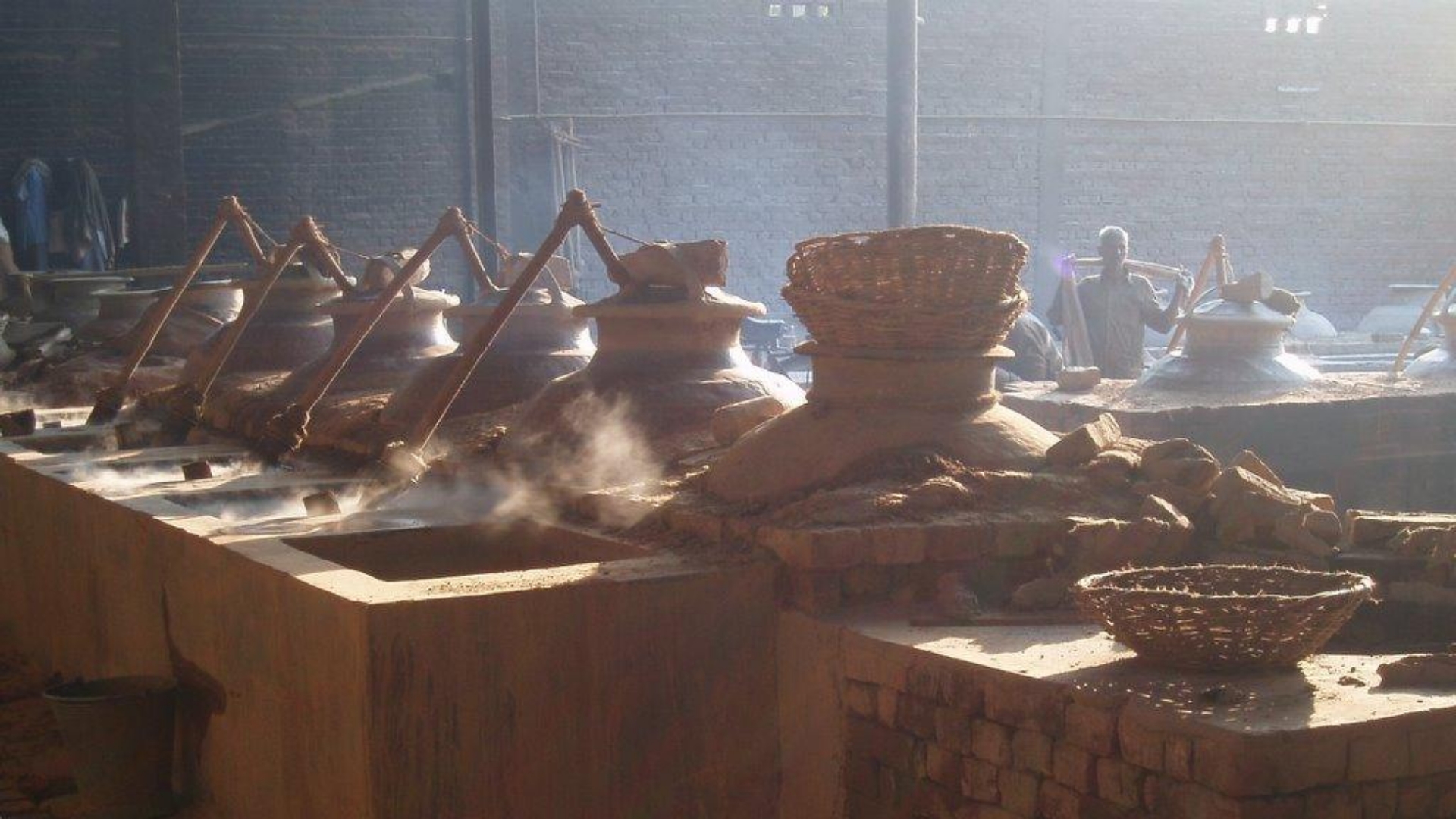
Oud distillation in India forms part of a long-standing aromatic tradition linked to cultural, and artisanal practices.
Agarwood forms when Aquilaria trees respond to environmental stress or natural infection by producing aromatic resin within the heartwood.
Artisan Knowledge
In parts of Northeast India, wood selection and distillation expertise are passed through generations. Skills may include:
- Assessing wood density
- Evaluating resin distribution
- Determining moisture content
- Managing distillation conditions
Such knowledge is often developed through practical experience.
Traditional Distillation Methods
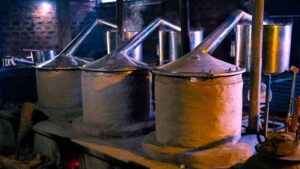
Distillation commonly involves hydrodistillation or steam distillation.
The process may include:
- Soaking prepared wood
- Controlled heating
- Vapor condensation and oil separation
Traditional extraction periods may range from several days to multiple weeks, depending on raw material and technique.
Chemical Composition and Aroma Development
Natural agarwood oil contains aromatic compounds such as:
- Sesquiterpenes
- Chromones
This chemical diversity contributes to scent evolution over time, with variations depending on origin and processing method.
Tradition and Contemporary Standards
As global demand increases, producers and traders balance:
- Preservation of traditional practices
- Documentation and traceability
- Clear product classification
- Regulatory compliance
Maintaining this balance supports both heritage continuity and professional trade standards.
Publisher’s Note
This article is published by Alatar Hindi as part of its industry knowledge series on agarwood and perfumery.
The information presented is intended for general educational purposes only. Agarwood classification systems, grading terminology, and market conditions may vary by region, producer, and time period. Readers are encouraged to exercise independent judgment and verification where appropriate. Alatar Hindi does not assume responsibility for commercial decisions made based on the information contained herein.